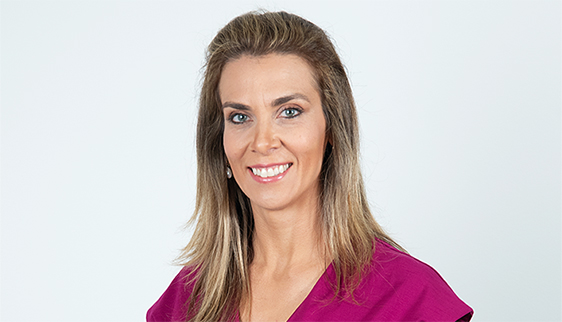
Laser refractive eye surgery is a form of vision correction and involves reshaping the cornea to correct a refractive error. This occurs when the eye is abnormally shaped and can’t focus light directly on the retina at the back of the eye, resulting in out-of-focus, blurry vision. Examples of refractive error include short-sightedness (myopia), long-sightedness (hyperopia), age-related loss of near vision (presbyopia) and astigmatism. Astigmatism commonly occurs together with short- or long-sightedness.
Laser eye surgery, also referred to as refractive surgery, is offered at our clinics in Melbourne, Sydney, Adelaide and Brisbane.
To book a free assessment for laser eye surgery with one of our friendly orthoptists or optometrists, call us on 1800 1 LASER or book an appointment. Please note that the free assessment is optional and is not required prior to surgery.
If you are ready to proceed with surgery, the next step will be a consultation with one of our surgeons or clinical optometrists to discuss the procedure in detail and perform additional tests before your surgery. This consultation will incur a fee; however, a Medicare rebate is available if you have a referral letter from an optometrist or GP.
If you meet the following basic criteria, you may be eligible for laser eye surgery. We also offer a free, no-obligation assessment where we will comprehensively check your eyes and discuss your vision correction options.
*Patients over 55 may still be eligible for laser eye surgery. However, we recommend booking a comprehensive assessment to discuss other vision correction procedures that may better suit your needs.
†Your ophthalmologist will consider the general health of your eyes, the strength of your glasses prescription (i.e. your degree of refractive error), if you have a history of eye problems (e.g. dry eye, scarring or thinning of the cornea) and if you have previously had a serious eye injury.
We offer laser eye surgery (and other types of vision correction) in Sydney, Melbourne, Adelaide, Brisbane and Townsville. Once you have had a comprehensive assessment to determine which procedure is most suitable for you, you will be provided with the full cost. As a rough guide, laser eye surgery can cost between $2700 to $3800 per eye. When comparing laser vision correction with a lifetime of glasses or contact lenses, you might be surprised to find out which is the more cost-effective option.
Use our cost calculator to find out how much you can save.
Please note that Medicare does not rebate any of the cost of laser eye surgery, however many health insurers will cover some or all of the cost. You will need to check with your health insurer as to whether your level of cover includes rebates for laser eye surgery.
For example, BUPA’s Ultimate Health Cover offers 100% cover for laser eye surgery (3-year waiting period applies). For your convenience, we also invoice the cost of your procedure (LASIK, PRK or SMILE) directly to BUPA, meaning you have nothing to pay upfront.* Contact BUPA to find out if you qualify (phone 134 135 or visit their website).
Medibank members with selected extras and packaged covers can receive 15% off surgical fees if they have their procedure performed at Vision Eye Institute.
When comparing providers, make sure you get an accurate indication of all charges that you will incur before, during and after your laser eye surgery procedure (including enhancement or follow-up procedures).
Read our article about the cost of laser eye surgery
Latitude Gem Visa† may be an option for laser eye surgery procedures (credit limit subject to approval). Latitude Gem Visa offers interest-free payment plans, low monthly account fees and fast approval.
*Excludes consultation fees and diagnostic tests. SMILE/SMILE pro currently available in NSW only.
†Approved customers only. Conditions, fees and charges apply. Credit provided by Latitude Finance Australia ABN 42 008 58
LASIK, ASLA, SMILE®/SMILE® pro permanently reshape the cornea. Some people may require a follow-up procedure to enhance or improve the initial results. It’s important to be aware that presbyopia can develop at around 40–50 years of age. Presbyopia is an age-related condition of your lens, which reduces your ability to focus on near objects and will occur regardless of whether you have laser eye surgery or not. Presbyopia does not involve the cornea.
Laser eye surgery will not prevent the development of presbyopia, although it is sometimes used to delay the need for glasses.
Laser eye surgery is avoided in women who are pregnant.
Firstly, your vision may fluctuate during pregnancy. Hormonal changes cause your body to retain fluid, which can cause the cornea to swell. As a result, some women may be more short-sighted while they are pregnant. We recommend waiting until your vision returns to its previous state, generally within a few months after giving birth. The speed at which this occurs is affected by breastfeeding. Additionally, the medications used during and after surgery could affect your unborn baby.
If you are breastfeeding and wish to have laser eye surgery, you will need to discuss this directly with your surgeon. This will depend on various factors, including the age of your baby and the level of breastfeeding.
You may be able to have laser eye surgery approximately 6 months postpartum if you are partially breastfeeding or 6–12 weeks after stopping exclusive breastfeeding. This is enough time to allow your hormonal levels and vision to stabilise and return to normal.
Patients having laser eye surgery are offered an optional sedative. If you are breastfeeding, we recommend you do not take the sedative. If you choose to do so, you will need to express and discard your breastmilk for 24 hours after the surgery.
To minimise the passing of any drugs into the breast milk, preservative-free eye drops are recommended. We also recommend punctal occlusion (blocking your tear ducts with a finger) to minimise absorption of the eye drops into your bloodstream.
You should wait at least 3 weeks after having laser eye surgery before trying to conceive. There is a small chance that the medications could be absorbed into your bloodstream.
In the majority of cases, laser eye surgery isn’t painful. Most people report feeling mild pressure on their eye. However, all patients are given local anaesthetic drops and often a mild sedative.
You don’t need to worry about blinking during laser eye surgery. During the procedure, an instrument is fitted over your eye and holds it in place. A speculum is also used to keep your eyelids open.
The laser is highly sophisticated and fitted with an infrared eye tracker. This tracker constantly measures your eye movements during surgery. Even the smallest movement will be detected, which the laser will compensate for.
You will be in the clinic for around 2 hours, but the surgery itself only takes about 20 minutes for both eyes.
Many people are surprised that they can see distant objects, such as a clock on the wall, as they are leaving the laser suite after having LASIK or SMILE/SMILE pro. The initial visual recovery (return to normal activities) following these procedures is generally quick – as quick as the next day for LASIK and within a few days for SMILE/SMILE pro. Most people can legally drive without the use of glasses or contact lenses 1–2 days after having LASIK or SMILE/SMILE pro.
ASLA (PRK) ultimately provides the same outcome, although recovery time is longer. Your vision can fluctuate for up to 6 weeks before it settles.
Your eyesight will be checked during the post-operative review. This is usually scheduled for later that same day or the day after surgery.
Once your vision has met driving standards, you will be able to drive. If your driving licence is endorsed for spectacles or contact lenses, this can be removed by applying to the relevant state licence authority (the clinic can provide further information).
This will depend on various factors, including the type of treatment and laser eye surgery procedure.
Patients being treated for myopia (short-sightedness) may be able to attend work and resume driving:
Patients being treated for hyperopia (long-sightedness) may take slightly longer to recover.
Good visual function is achieved within 24–48 hours with LASIK and SMILE/SMILE pro but may take up to 2 weeks with PRK (ASLA).
If surgery was routine and successful, contact sports (including martial art sparring) may be resumed:
For advice on your particular circumstances, speak to a surgeon.
Travelling on an aeroplane does not affect the healing process following laser eye surgery.
If the surgery was routine and successful, patients can fly:
However, overseas patients are advised to wait at least 10 days before flying home to allow for post-operative checks.
Because the air inside the aeroplane cabin is dry, we recommend bringing lubricating eyedrops onboard. You will need to use these drops regularly during the flight to keep your eyes comfortable.
*Some regional patients may fly home earlier at the discretion of their surgeon and availability of a local optometrist to remove the bandage contact lens and assess the initial post-operative healing.
For LASIK and SMILE/SMILE pro patients, aftercare appointments usually occur:
Patients who have undergone PRK (ASLA) generally have aftercare appointments:
Your exact aftercare schedule will be confirmed by the clinic on the day of surgery.
These aftercare appointments may be with your surgeon or one of our clinical optometrists. In some cases (especially for regional patients), your aftercare appointments may be carried out by a local optometrist.
Laser eye surgery is a routine procedure. However, like any surgical procedure, there are always potential benefits and risks.
Side-effects occur in around 20% of cases and are mostly minor. For example, temporary dry eyes that require drops or a less-than-expected visual result that requires an enhancement.
Serious complications are rare and occur in around 1–2% of cases. Very rarely, some patients can get infections or suffer complications that are more serious. The chance of having a serious vision-threatening complication is extremely small (very much less than 1%). Selecting the correct procedure for your eyes (which sometimes means not having surgery at all) minimises the risk of a serious complication. The experience of your surgeon and the clinic staff are also very important considerations.
Vision Eye Institute surgeons and clinics adhere to strict sterility and surgical processes and have access to the latest state-of-the-art equipment and technology. Patients are discharged with the appropriate post-operative medication, which may include antibiotic drops and pain-relief medication.
Always have a comprehensive discussion about the benefits and risks of surgery with your ophthalmologist before proceeding.
No patient in Australia has ever become blind from laser eye surgery.
The laser cannot cause blindness as it only acts superficially – it targets the outermost layer of the eye (the cornea). If the eye itself develops an infection, which is not treated or managed properly, then there is a risk of significant vision loss. Choosing a reputable laser eye surgeon and clinic reduces your chances of serious complications. Our surgeons and clinics maintain the highest standards of sterile and surgical protocols.
Your ophthalmologist should discuss in detail the potential benefits and risks before you decide whether to proceed with surgery.
As a rough guide, laser eye surgery can cost between $2,700 to $3,800 per eye. However, it’s important to understand the true value of your surgery. This means knowing what type of laser eye surgery you are having (e.g. LASIK, ASLA, SMILE/SMILE pro), the experience of your surgeon and clinic staff, and whether there are any additional costs (e.g. medications, enhancement procedures, theatre fees).
At Vision Eye Institute, a detailed quote will be provided during your laser consultation after we check the health of your eyes and determine which procedure is recommended for your individual situation. Our costs are completely transparent, and we also offer payment plans through our partnership with Latitude (LatitudePay and GEM Visa – T&Cs apply).
Read our cost of laser eye surgery article to understand why different providers charge different fees.
Use our cost calculator to find out how much you can save.
Medicare does not rebate any of the cost of laser eye surgery (apart from some of the cost of the pre-surgical consultation).
Some private health insurers provide cover for laser eye surgery in some of their products e.g. BUPA members with Ultimate Health cover and Medibank Gold Ultra Health members are entitled to 100% cover for a laser eye surgery procedure (waiting periods apply). This does not cover consultation and diagnostic tests.
Check with your health insurer if your level of cover includes rebates for laser eye surgery.
Medibank members with selected extras and packaged covers can receive 15% off surgical fees at Vision Eye Institute. There is no waiting period for this offer (excludes consultation fees and diagnostic tests). Call Medibank on 1300 520 941 or visit their website for details.
There are several reasons why laser eye surgery may not be suitable for some people. Depending on the reason, other vision correction options may be suitable. Examples include replacement lens exchange or implantable lenses. Once you have had your eyes tested and examined, your ophthalmologist will be able to discuss alternative treatment options with you.
Latitude Gem Visa* may be available for laser eye surgery procedures (credit limit subject to approval). Latitude Gem Visa offers interest-free payment plans, low monthly account fees and fast approval
*Approved customers only. Conditions, fees and charges apply. Credit provided by Latitude Finance Australia ABN 42 008 583 588 Australian Credit Licence number 392145. Before applying for any form of credit, always read the full terms and conditions.
For a full list of references, visit the laser eye surgery FAQ page.
Complete the form below and we will send you more information about laser eye surgery. Fields marked with an asterisk (*) are mandatory.
IMPORTANT: If you are concerned about your eyes and require an urgent consultation, DO NOT use this form. Please call one of our clinics during office hours or contact your nearest emergency department instead.
Do NOT use this form in an emergency – contact one of our clinics or your nearest hospital emergency department instead.
Some services may not be performed by your preferred doctor or at your preferred clinic. We will confirm this with you before making an appointment.
Laser in situ keratomileusis (LASIK) is the most common type of laser eye surgery performed. It is a suitable laser treatment for eyes with adequate corneal thickness.
LASIK is a two-step, two-laser vision correction procedure. The laser eye surgeon will have pre-programmed the two lasers to the individual requirements of the patient being treated.
An infrared eye tracker is locked in position prior to laser eye treatment. It measures eye movements during the procedure and is capable of following and actively adjusting the laser beam as tiny eye movements are detected.
Once a patient has been prepared (including being given a series of eye drops and a mild sedative), he/she will be taken into the laser eye correction suite and will lie flat on the bed.
After preparing the first eye, the surgeon will use the femtosecond laser to create a flap in the top layer of the cornea (the epithelium and stroma), exposing the tissue bed underneath. The excimer laser is then used to gently and precisely reshape this corneal tissue bed to correct the patient’s refractive error. Finally, the surgeon places the corneal flap back in its original position.
LASIK laser eye correction is painless. You may feel some pressure on the eye but no discomfort. Because the flap adheres to the corneal bed, the healing process begins immediately. The eye has a remarkable ability to heal itself and patients are able to return to most of their daily activities the next day.1
Available at our NSW clinics, SMILE (small incision lenticule extraction) and SMILE pro are one-step, one-laser procedures using minimally invasive, keyhole surgery – the laser makes a tiny 3 mm incision and then creates a disc (lenticule) of corneal tissue. The laser eye surgeon then gently removes the disc to reshape the cornea and correct the refractive error. Since no flap was created, the top layer of the cornea is essentially intact. Unfortunately, SMILE and SMILE pro are not currently available to treat long-sightedness (hyperopia or presbyopia).
Certain patients may be better suited to SMILE laser surgery, including people with a high degree of short-sightedness, athletes who play contact sports and people at a higher risk of developing dry eye after surgery.
Advanced surface laser ablation (ASLA) is also known as photorefractive keratectomy or PRK. During this procedure, the laser eye doctor uses a topical solution to soften the top layer of corneal cells, allowing them to be gently removed. The excimer laser is then used to reshape the exposed corneal tissue bed to correct the patient’s refractive error. Once the procedure is complete, a ‘bandage’ contact lens is placed on top of the eye for 4 days to aid the healing process.
ASLA is generally the procedure of choice for patients who have thin or unusual corneas.
During this procedure, the laser eye doctor will correct one eye (usually the dominant one) for distance vision and the other eye for reading/near vision. When looking into the distance, your brain pays more attention to the eye that is focused for distance and vice versa when looking at close objects (i.e. your brain relies more on the eye that is focused for near distance). Overall, the images from both eyes are processed by your brain as one blended image.
Many people who have monovision find that they adjust within a matter of days and many can minimise their use of glasses. Before proceeding with surgery, your ophthalmologist will usually get you to trial a set of contact lenses to make sure you can adapt to the change.
Monovision can be achieved using laser eye surgery (e.g. LASIK or ASLA) or artificial lenses (e.g. replacement lenses or implantable phakic lenses).
Immediately before your procedure, you will receive anaesthetic (numbing) eye drops and anti-inflammatory eye drops. Patients can also choose to have a sedative to help them relax. After allowing the sedative to take effect (around 30 to 45 mins), you will be taken into the procedure room and asked to lie down on a surgical bed. The procedure itself will vary depending on which type of surgery is being performed (e.g. whether one or two lasers are used).
If you have had a sedative, you will be given time to recover before being discharged. You will also be given protective glasses and eye drops to go home with. A follow-up appointment for later that same day or the next day will be scheduled before you leave.
You can expect to be in the laser suite for between 10 to 20 minutes (depending on the type of procedure), and in the day surgery for approximately 2 hours.
The majority of laser eye surgery procedures produce excellent outcomes and most patients are delighted with their laser eye treatment results.2,3 However, there may be occasions when a second (enhancement) procedure is required to optimise the visual result.3 For example, over– or under-correction of your refractive error may occur, meaning the focusing power is slightly outside of the target range after surgery.
The success of laser vision correction depends on a number of factors, including the health of the cornea, type and degree of refractive error and age of the patient.
Enhancement procedures tend to be quicker than the original procedure, as only minor corneal reshaping with the laser is required. At Vision Eye Institute, enhancement procedures are free of charge for up to two years from the date of the original surgery. Please note that this is not an industry standard.
Our mission is to remain at the forefront of technology and clinical research to ensure the best outcomes for our patients. As the largest provider of ophthalmic services in Australia, we are able to ensure that our clinics are equipped with the latest state-of-the-art technology. The research unit is overseen by a full-time research coordinator and our ophthalmologists are regularly invited to participate in international trials and present at international conferences. They are also heavily involved in teaching and examining medical students, optometry students and ophthalmology trainees.
We perform laser eye surgery (and other forms of vision correction) at our clinics across Australia, including:
If you have Ultimate Health Cover with BUPA and have served a 3-year waiting period, you are entitled to 100% cover for laser eye surgery – this includes PRK, LASIK and SMILE.* All procedure costs are billed straight to BUPA, so you don’t have to worry about out-of-pocket or upfront expenses.
Contact BUPA on 134 135 or go online at www.bupa.com.au to check your level of cover.
*Excludes consultation fees and diagnostic tests. SMILE is currently available in NSW only.
Medibank members can receive a 15% reduction on their surgical fees if they have a LASIK, ASLA or SMILE procedure performed by Vision Eye Institute.* This offer is available to members on selected extras and packaged covers (contact Medibank on 132 331 to check your cover).
There’s no waiting period so you can upgrade your cover and receive the benefit straight away.
*Excludes consultation fees and diagnostic tests. SMILE is currently available in NSW only.
Latitude Gem Visa* may be available for laser eye surgery procedures (credit limit subject to approval). Latitude Gem Visa offers interest-free payment plans, low monthly account fees and fast approval
*Approved customers only. Conditions, fees and charges apply. Credit provided by Latitude Finance Australia ABN 42 008 583 588 Australian Credit Licence number 392145.
SMILE® is a registered trademark of Carl Zeiss Meditec
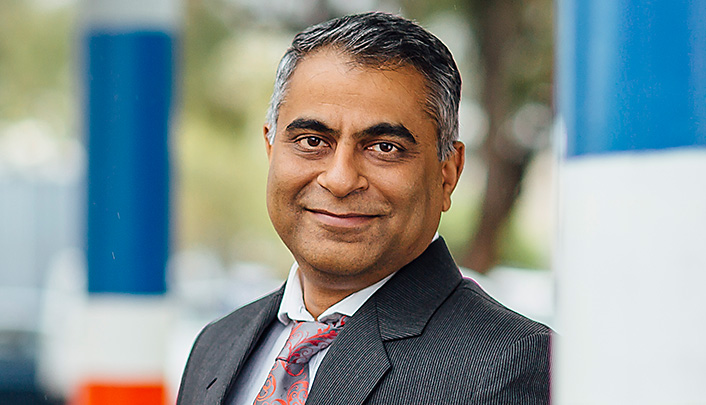
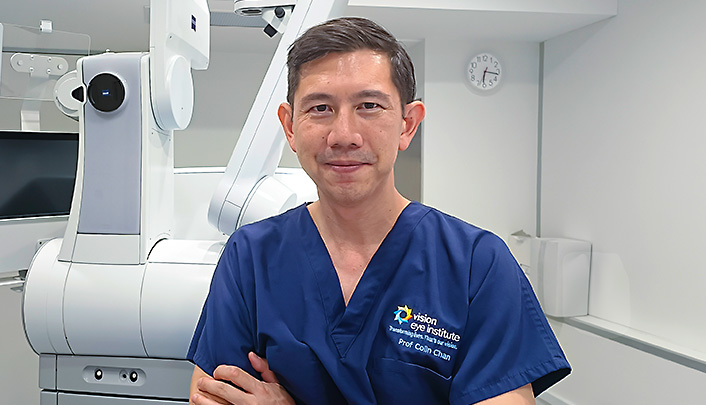
MBBS DTMH DO MSc(EBP) FRCSEd FRCOphth FRANZCO
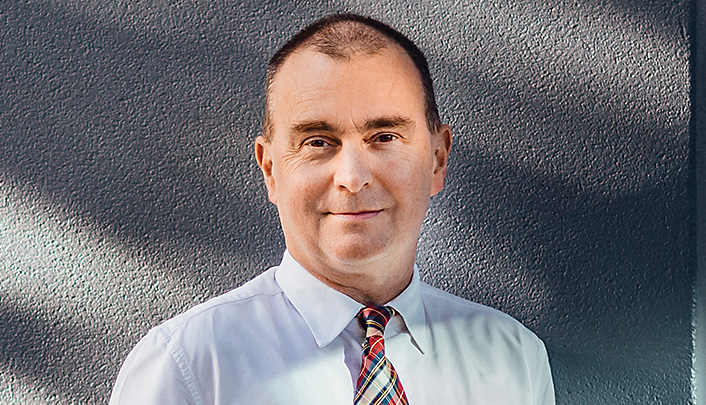
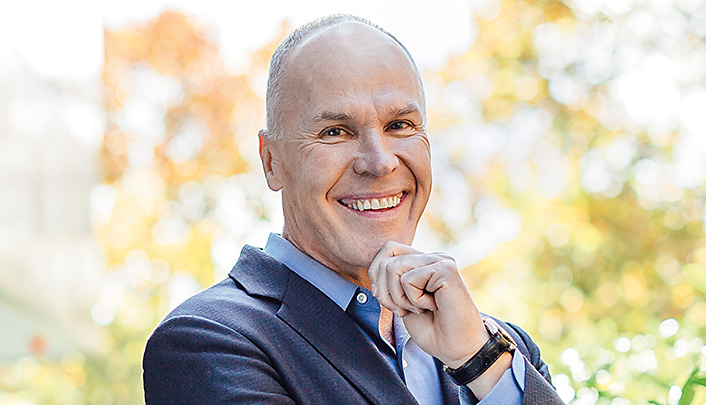
MBBS FRACS FRANZCO
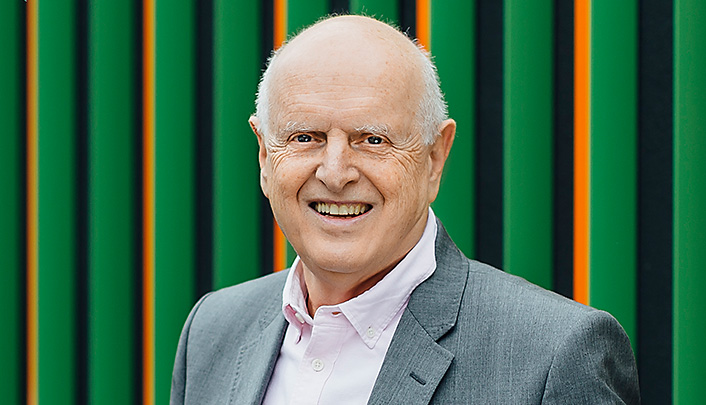
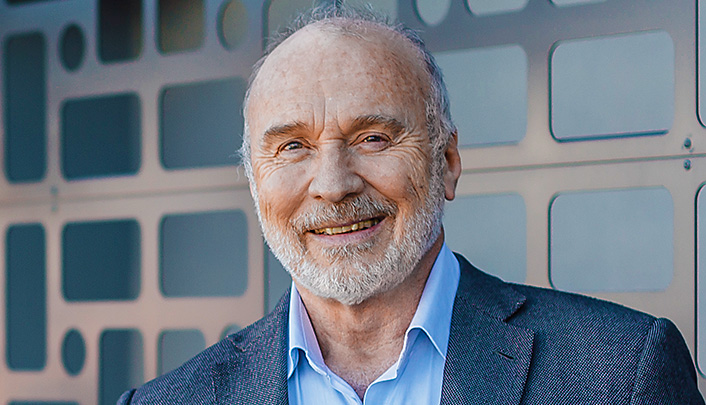
MBBS DO FRACS FRANZCO

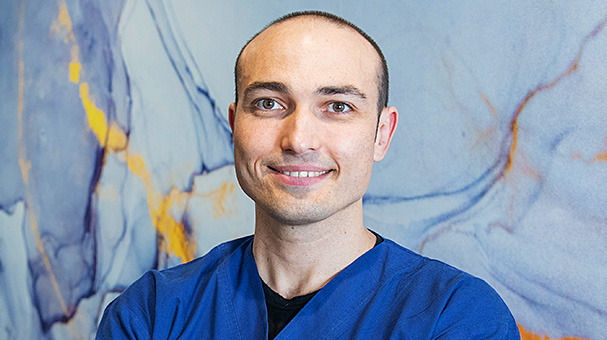
MBBS(Hons) FRANZCO
MS FRCSEd FRANZCO
The information on this page is general in nature. All medical and surgical procedures have potential benefits and risks. Consult your ophthalmologist for specific medical advice.
Date last reviewed: 2024-04-12 | Date for next review: 2026-04-12